Things to Do in Tallinn
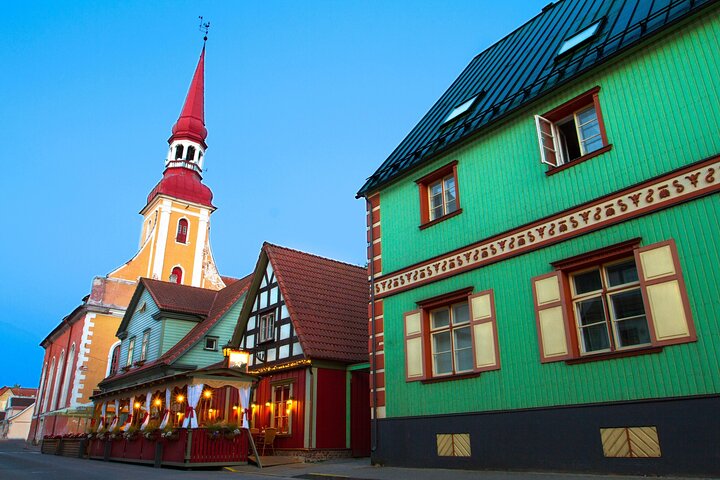
Cobblestones, code, and a skyline of medieval spires meeting startups.
Top Things to Do in Tallinn
Find activities and tours you'll actually want to do. Book through our partners -- no booking fees.


Plan Your Trip
Essential guides for timing and budgeting
Climate Guide
Best times to visit based on weather and events
View guide →Day Trips
The best excursions and nearby destinations worth the journey
Explore day trips →Where to Stay
Best neighbourhoods, hotel picks, and booking tips
Find hotels →Travel Insurance
What's required, what coverage matters, and how to get a quote
Read guide →What to Pack
Climate-specific gear, essentials, and what to leave at home
See packing list →When Should You Visit Tallinn?
Tap a month for weather, crowds, and highlights
View full year-round climate guide →Explore Tallinn
Naissaar Island
Day trip

Alexander Nevsky Cathedral
Landmark
Estonian Open Air Museum
Landmark
Kadriorg Palace and Park
Landmark
Kumu Art Museum
Landmark
Pirita Beach
Landmark
Seaplane Harbour
Landmark
St. Catherine's Passage
Landmark
Tallinn Town Hall
Landmark
Tallinn Tv Tower
Landmark
Toompea Hill
Landmark

Town Hall Square
Landmark

Old Town (Vanalinn)
District
Rotermann Quarter
District
Telliskivi Creative City
District
Your Guide to Tallinn
About Tallinn
Tallinn greets you with a Baltic chill that slices through even the mildest summer air. The cold sharpens the resinous scent of pine from Kadriorg Park and the sweet smoke of grilling sausages drifting from Old Town courtyards. The UNESCO-listed Old Town is a compact maze of cobbled lanes like Pikk Jalg and alleys like Katariina Käik.
Ancient doors groan while coffee cups clatter in basement cafés. Just outside the walls, Kalamaja feels like another city. Pastel wooden houses and artists' studios line quiet streets. The only sound is the distant clang of shipbuilding in the port. Your most memorable meal could be elk stew and dark rye in a candlelit tavern for a mid-range price.
Or splurge on Nordic-foraged plates in Telliskivi's former factory complex. The catch is the light. Winter days shrink to grey hours. Yet that same darkness makes Christmas markets glow like storybooks. Summer can't match it. Tallinn refuses to imitate anywhere else. Trace 800 years of history on a city wall. Then ride a tram to a district where the future is being coded.
Travel Tips
Transportation: Tallinn's public transit is a bargain. Stay in a registered hotel and you get a free travel card. It covers all trams, buses, and trolleys within the city. A single ticket is still affordable if bought from a machine. Trams 3 and 4 are fastest between Old Town, Telliskivi, and Kadriorg. Skip taxis hailed on the street. Meter rates vary wildly. Use the Bolt app instead. It's the local Uber equivalent. A ride across town is surprisingly inexpensive. Don't assume everything is walkable. The sea breeze is bracing. That 25-minute stroll to Kalamaja can feel endless in a Baltic wind.
Money: Estonia runs on the euro and almost entirely on cards. Contactless is default everywhere. Market stalls. Public toilet turnstiles. You can visit Tallinn without touching cash. Keep a few euros for flea markets or a sauna master tip. ATMs are everywhere. Stick to Swedbank or SEB to dodge sketchy fees. A solid lunch in a mid-range Old Town restaurant is reasonably priced. Craft beer in Telliskivi hipster bars costs a bit more. Insider move: hunt for 'praed' boards at lunchtime. You'll get a hearty Estonian meal for a budget-friendly price.
Cultural Respect: Estonians are famously reserved. Not unfriendly. They prize personal space and quiet efficiency. A nod often suffices. Effusive small talk can trigger polite confusion. Sauna visits are practically sacrament. Public saunas mix genders. Nudity is normal. Towel to sit on. In private settings, follow the host. Loudly calling Tallinn a 'former Soviet city' is a major faux pas. Don't romanticize that era. Independence regained in 1991 is a deep source of pride. Ask about the Singing Revolution or their digital society. A different warmth appears.
Food Safety: Eat with abandon in Tallinn. Tap water is clean and delicious. Often beats bottled. Street food is limited yet safe. Grilled sausages ('grillvorst') and blood sausage ('verivorst') at Christmas markets are cooked fresh. Local food culture lives in taverns like Olde Hansa or III Draakon. Expect dark rye breads, smoked fish, pickled vegetables, and hearty meat stews. Tourist-focused but quality ingredients. For authenticity, try a 'kohvik' like Røst in Telliskivi. Modern twist on Estonian staples. Only caution: foraged mushrooms and berries. Unless you're an expert, admire them on your plate.
When to Visit
Tallinn's seasons are stark. Each delivers a different city. Summer (June-August) is the easy favorite. Temperatures hover between 17-22°C (63-72°F). Days stretch past 10 PM with 'white nights'. Everything is open. Peak season. Hotel prices soar. Old Town's main square feels like a theme park by midday. July brings the Estonian Song and Dance Celebration.
Monumental event every five years. Next in 2025. Tens of thousands of performers flood the city. September is the sweet spot. Crowds thin. Air crisps. Forests turn gold. Hotel rooms drop significantly below August rates. Winter (December-February) suits a specific traveler. Expect -5°C to 0°C (23-32°F). Short days. Snow-dusted Christmas Market in Town Hall Square from late November.
Impressive beauty. Relatively affordable outside holiday weeks. Cold is real. Spring (March-May) is the gamble. Slushy. Grey. Windy. Prices bottom out. Catch the moment when Baltic ice melts and Kadriorg Park turns green. You'll have Tallinn mostly to yourself.
Frequently Asked Questions
Is Tallinn, Estonia Worth Visiting?
Yes, Tallinn's medieval Old Town is among Europe's best-preserved, and you'll find it less crowded and cheaper than Prague or Dubrovnik. The city mixes cobblestone lanes and 13th-century walls with a thriving tech scene and excellent coffee culture. Most visitors spend 2-3 days here, often combining it with Helsinki (just a 2-hour ferry away).
How Do I Get Around Tallinn?
Walking covers the compact Old Town easily, it's only about 1km across. For longer distances, Tallinn's trams, buses, and trolleys are free if you register a digital travel card (€2 one-time fee) or buy single rides for €2 from drivers. Taxis through Bolt typically cost €5-8 for cross-city trips. The airport is 4km from the center, reachable by tram 4 in 15 minutes.
Where Should I Eat in Tallinn?
Rataskaevu 16 serves modern Estonian dishes in the Old Town without the tourist-trap pricing (mains €14-22). F-Hoone in the Telliskivi Creative City offers casual Baltic fare in a converted factory for around €10-15 per plate. For fine dining, NOA Chef's Hall overlooks the sea in Pirita, with tasting menus from €95. Skip the medieval-themed restaurants on Town Hall Square, they're aimed squarely at tour groups.
What Are the Top Things to Do in Tallinn?
Walk the Old Town walls for rooftop views, climb St. Olaf's Church tower (€5, 258 steps), and explore Kadriorg Park and Palace built by Peter the Great. The Seaplane Harbour maritime museum is unexpectedly good, if you have kids. Evenings, head to Telliskivi Creative City for street food, vintage shops, and local design studios in repurposed Soviet-era warehouses.
What Events Happen in Tallinn?
Tallinn's Christmas Market (late November through early January) transforms Town Hall Square into one of Northern Europe's most atmospheric holiday markets. The medieval Old Town Days festival in early July brings costumed performers, craft fairs, and concerts. Tallinn Music Week each spring shows Baltic and Nordic indie acts across 20+ venues, and the Black Nights Film Festival in November-December is one of Eastern Europe's major cinema events.
When Is the Best Time to Visit Tallinn?
Late May through September offers the warmest weather (15-22°C) and longest daylight, though July-August brings the most tourists. December is memorable for the Christmas market but cold (often below 0°C) and dark. April-May and September-October give you smaller crowds, lower hotel prices (€60-90 vs €120+ in summer), and still-walkable weather, though pack layers.
Do I Need a Visa to Visit Tallinn?
Estonia is part of the Schengen Area, so US, Canadian, Australian, and UK citizens can visit visa-free for up to 90 days within any 180-day period. You'll just need a passport valid for at least three months beyond your departure date. EU citizens only need a valid ID card.
How Many Days Should I Spend in Tallinn?
Two full days cover the Old Town, a museum or two, and Kadriorg Park comfortably. Add a third day if you want to visit Lahemaa National Park (an hour east) or take the ferry to Helsinki for a day trip. Most people find three nights ideal, enough to see the highlights without rushing, but Tallinn's compact size means you won't run out of things to do if you stay longer.
Is Tallinn Expensive?
Tallinn costs less than Scandinavia or Western Europe but more than much of Eastern Europe. Expect €15-25 for a sit-down restaurant meal, €4-6 for a pint of local beer, and €60-120 per night for a decent hotel in the Old Town. Supermarket prices are similar to budget chains in Germany. Street food and cafés outside the tourist core run about 30% cheaper.
Is It Safe to Walk Around Tallinn at Night?
Yes, Tallinn has low violent crime rates, and the Old Town stays well-lit and busy until late, in summer. Watch for pickpockets in crowded areas like Town Hall Square and Viru Street during peak season. The Kopli and Lasnamäe districts farther out are grittier but rarely visited by tourists anyway.
More Ways to Experience Tallinn
Tours, day trips, and local experiences curated by on-the-ground operators.
Didn't see anything interesting yet?
Browse Viator's full catalog of tours, day trips, food experiences, and private guides in Tallinn.
See All Tallinn Tours on Viator